Trusted Roofers in McDonough, GA


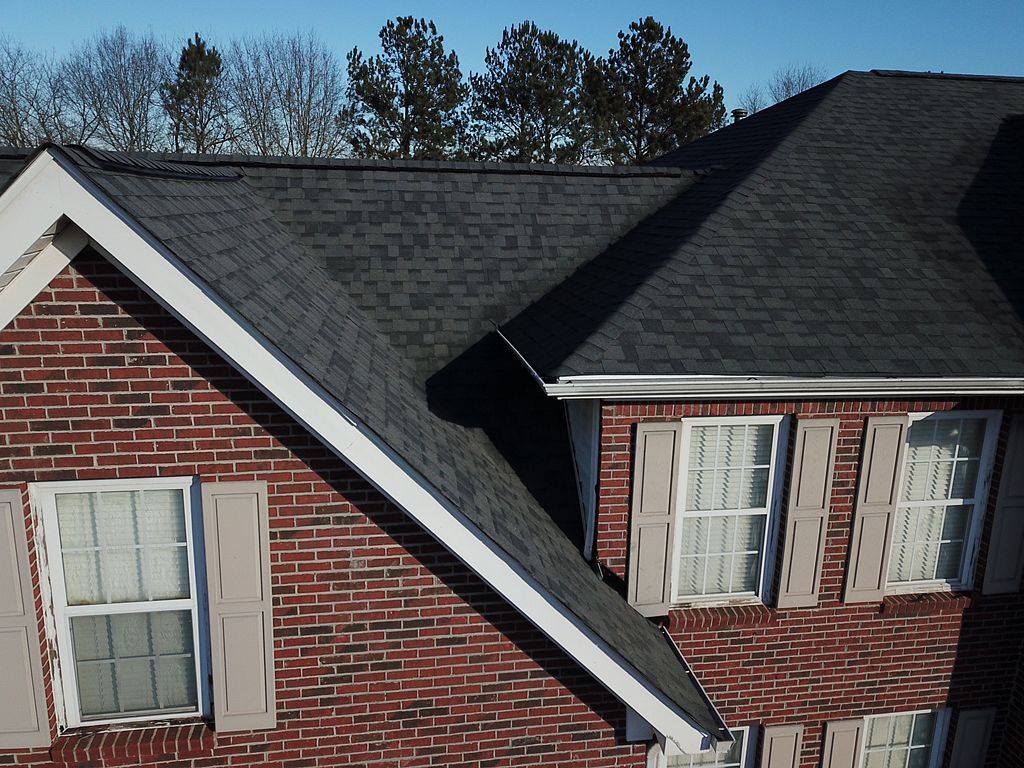
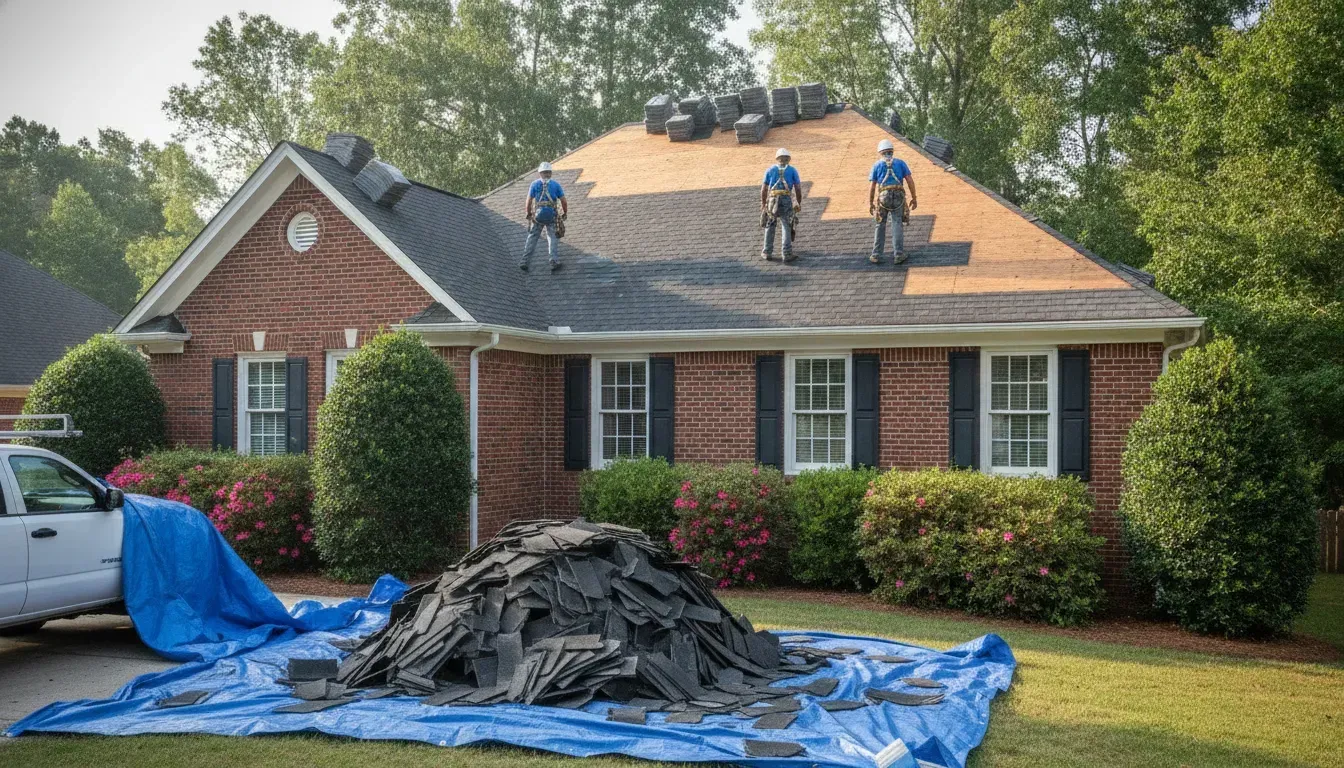
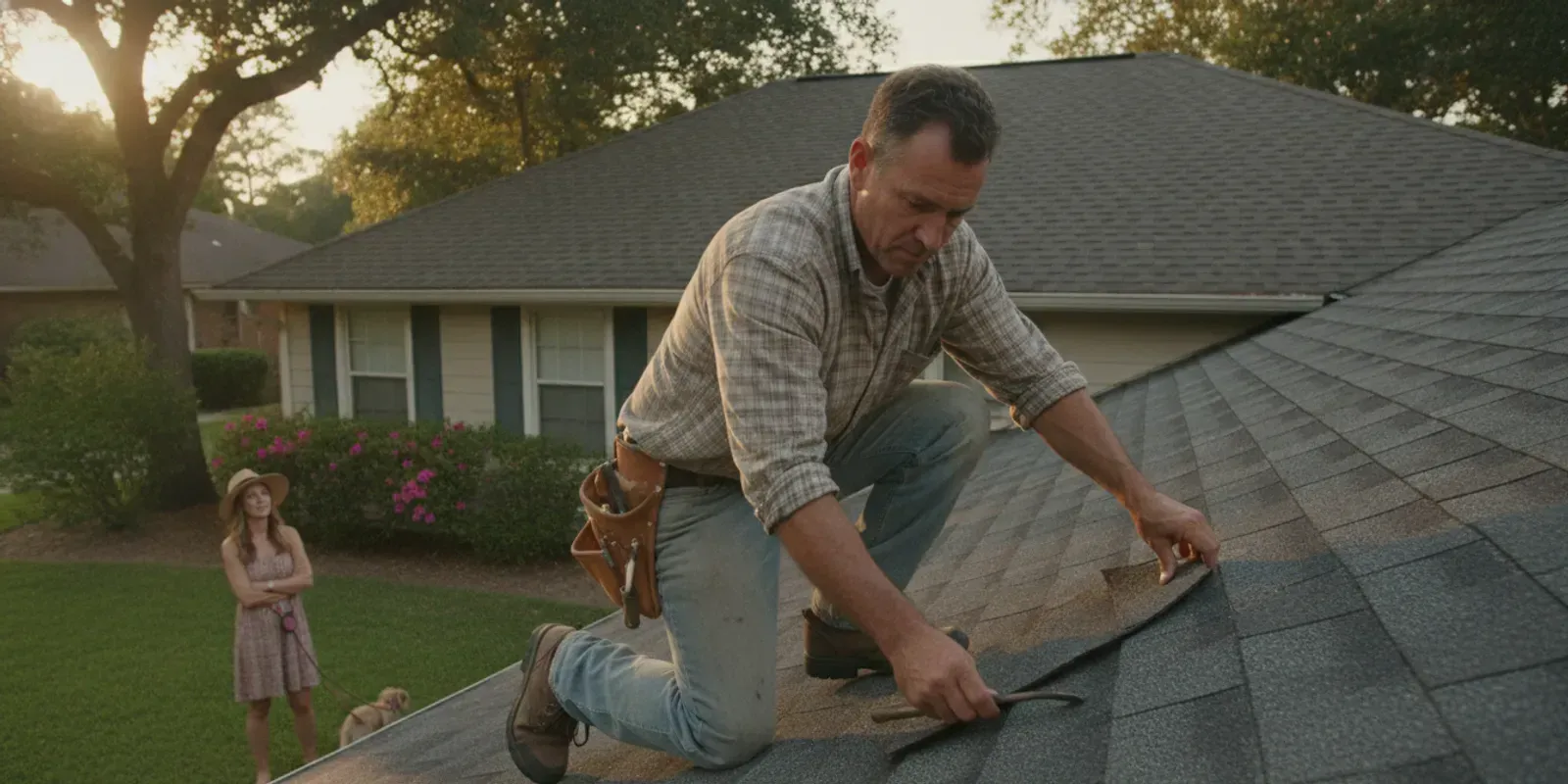
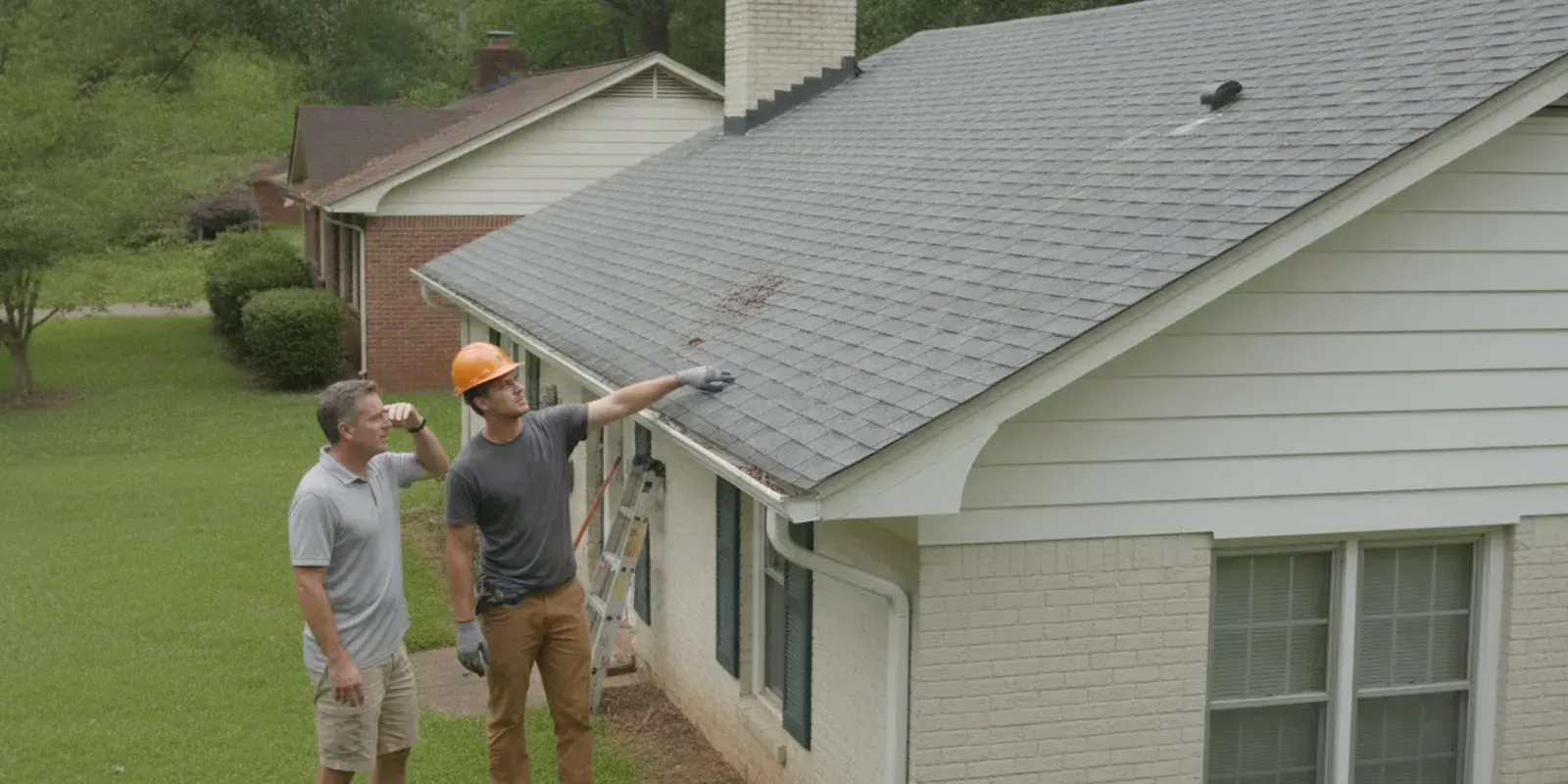
If you’re searching for reliable roofers in McDonough, GA, Total Roof Solutions is the local roofing company you can trust. We are a licensed, insured, and bonded provider of residential and commercial roofing services proudly serving McDonough and the surrounding areas. From full roof replacement projects to minor roof repair and seamless gutter installation, our team delivers quality workmanship built to last.


As one of the most trusted roofing companies in McDonough, GA, we focus on honest service, durable materials, and results that protect your property year after year.

LEARN MORE

$500 OFF

a New Roof! 

*Applicable to new roofing projects with a minimum value of $10,000

Request a Roofing Estimate


Contact Form

Complete Roofing Services


Residential

The team at Total Roof Solutions have decades of combined experience providing the highest quality reroofing and roof repairs in Georgia.

LEARN MORE ➝

Commercial

Our commercial roofing experts can install the highest quality roofing systems and service bitumen and other commercial roofing systems.

LEARN MORE ➝

Gutters

Our team custom installs exceptionally reliable seamless gutter systems tailored to your home as well as Gutter Guards that will put your gutter cleaning days behind you.

LEARN MORE ➝

Get Pre-Approved for Financing!

When roof damage is causing leaks, you often don’t have the luxury of waiting till you have the money to pay for the job out of pocket. Total Roof Solutions offers competitive financing options to ensure you can get the reroofing you need when you need it.

Why Homeowners and Businesses Choose Total Roof Solutions


Award-Winning Owens Corning Platinum Preferred

Owens Corning has given our roofing company their stamp of approval.

Highest Quality Materials

We trust companies like Owens Corning, Alside and Sherman Williams to ensure each job is perfect.

Decades of Experience

Our management team and roofers have been in the roofing business for decades.

Warranties and Guarantees

We always stand by our work and won’t rest until you’re satisfied.

Financing Available

We work with lenders to ensure every customer can get the roofing services they need.

Trusted Local Roofer

We’ve proudly been serving the Atlanta community for many years.

Total Roof's Commitment to Our Clients


When choosing a roofer in McDonough, GA, experience and trust matter. At Total Roof Solutions, we take pride in delivering dependable service on every job.


  • Detail-oriented craftsmanship on every roof
  • High-quality roofing materials built to last
  • Respectful, professional crews on every project
  • Strong warranties and work we stand behind
  • Commitment to doing the job right the first time


We don’t rush jobs or cut corners. We treat every roof as if our reputation depends on it—because it does.


Total Roof Solutions Serves McDonough, GA and Beyond

We are offering high-quality roofing solutions with expert craftsmanship and reliable service in McDonough and the surrounding areas.

Recent Projects


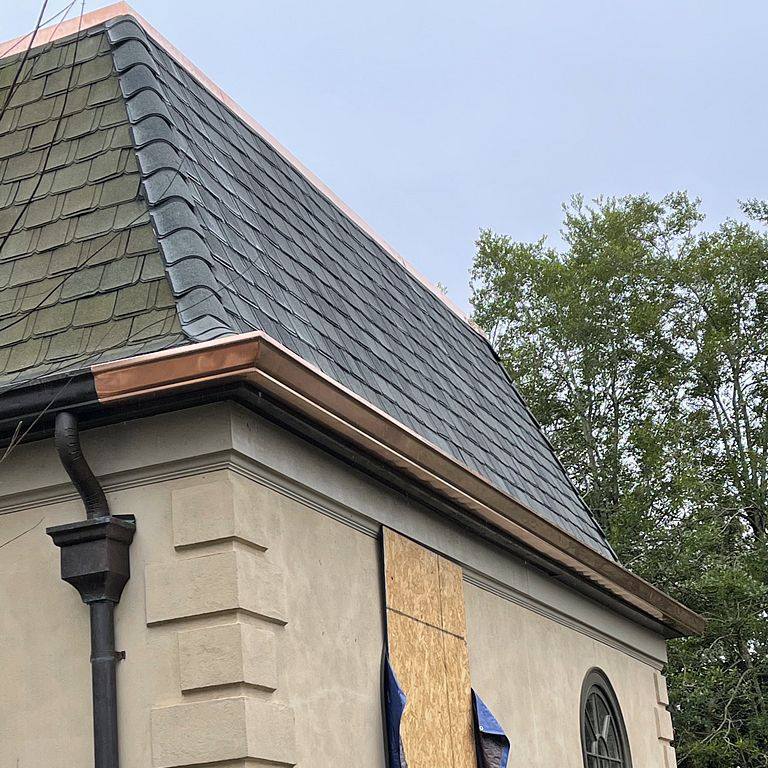
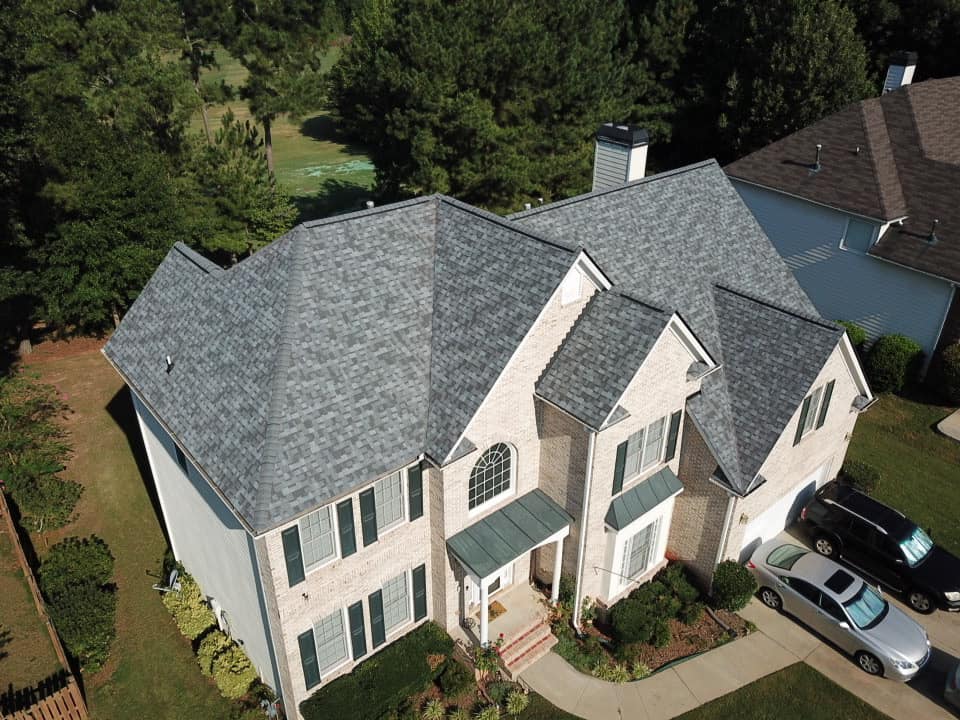
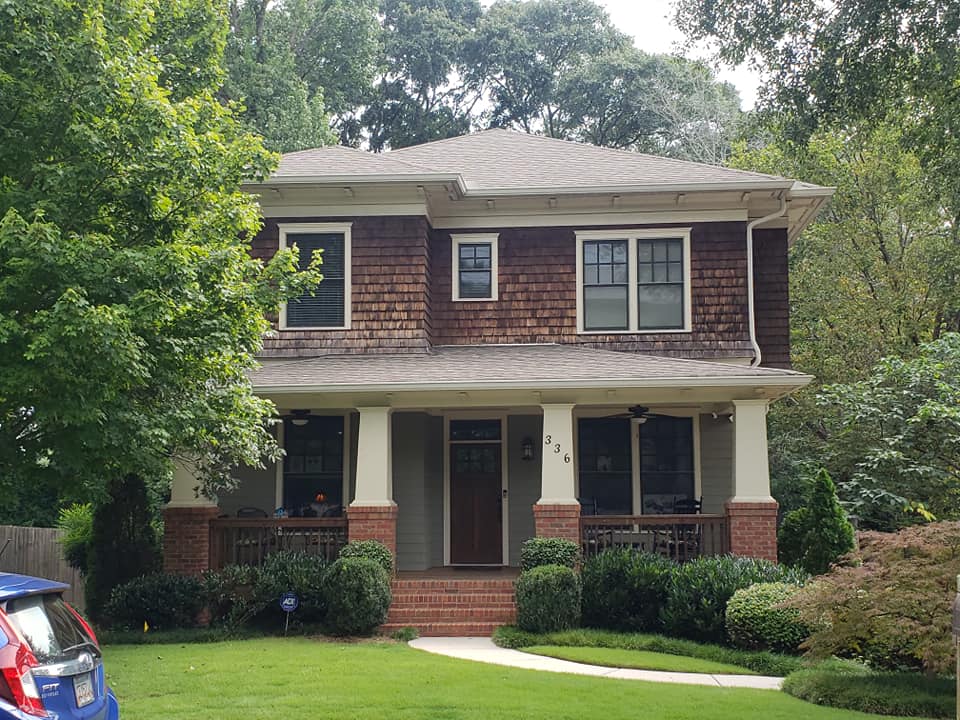
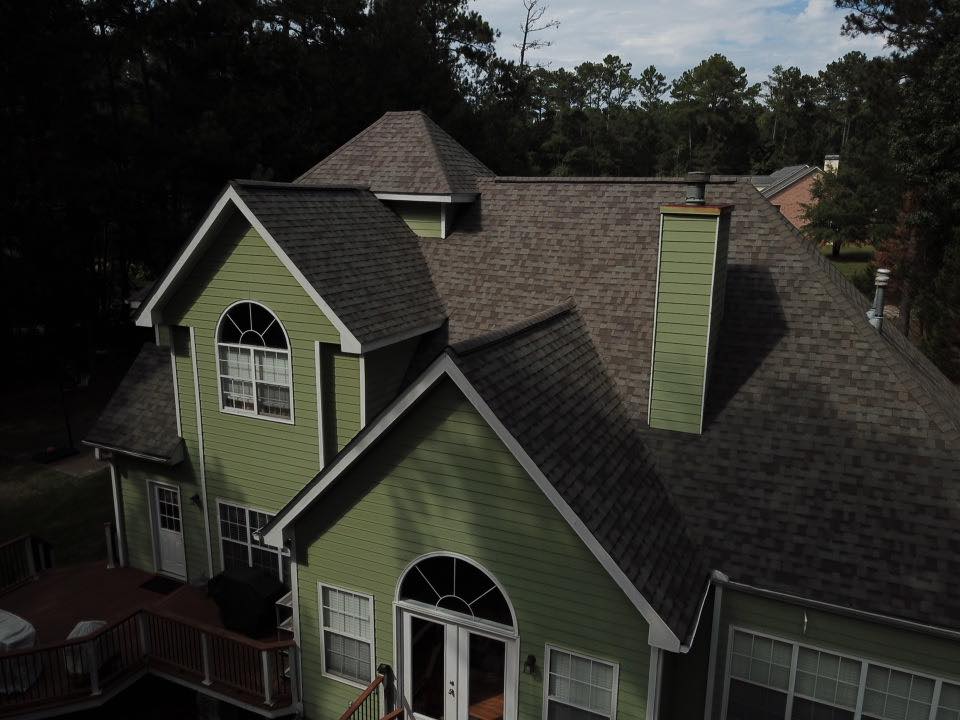
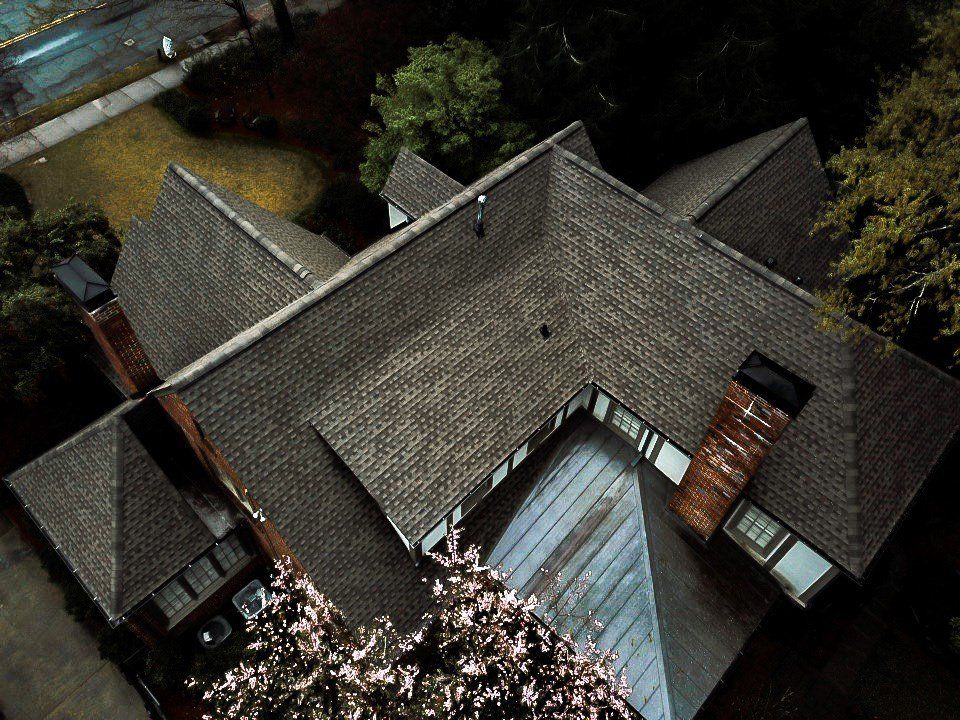
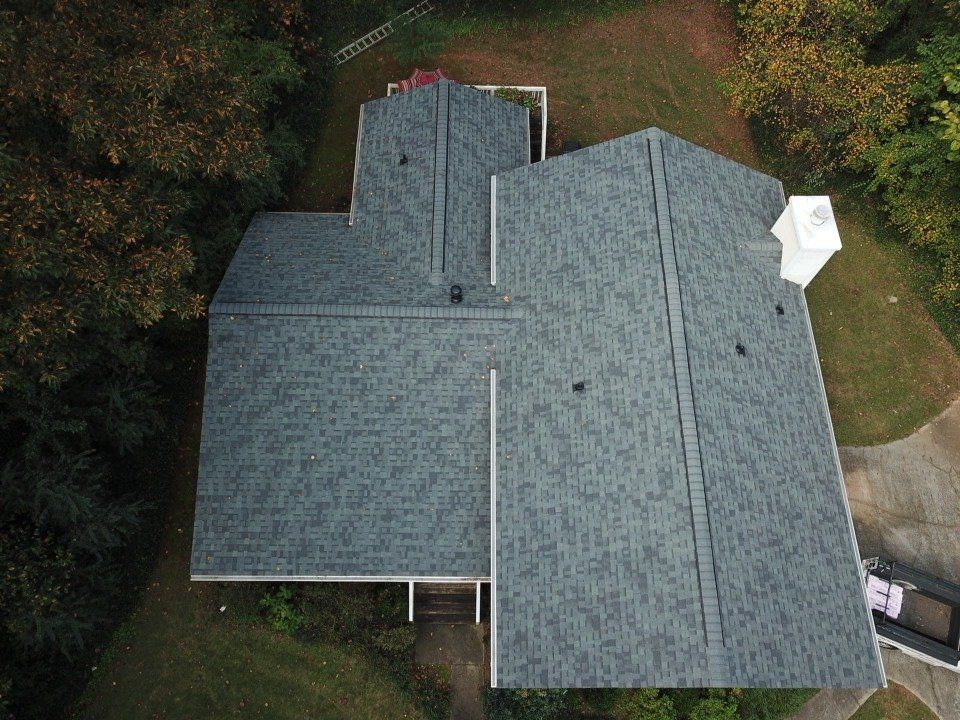
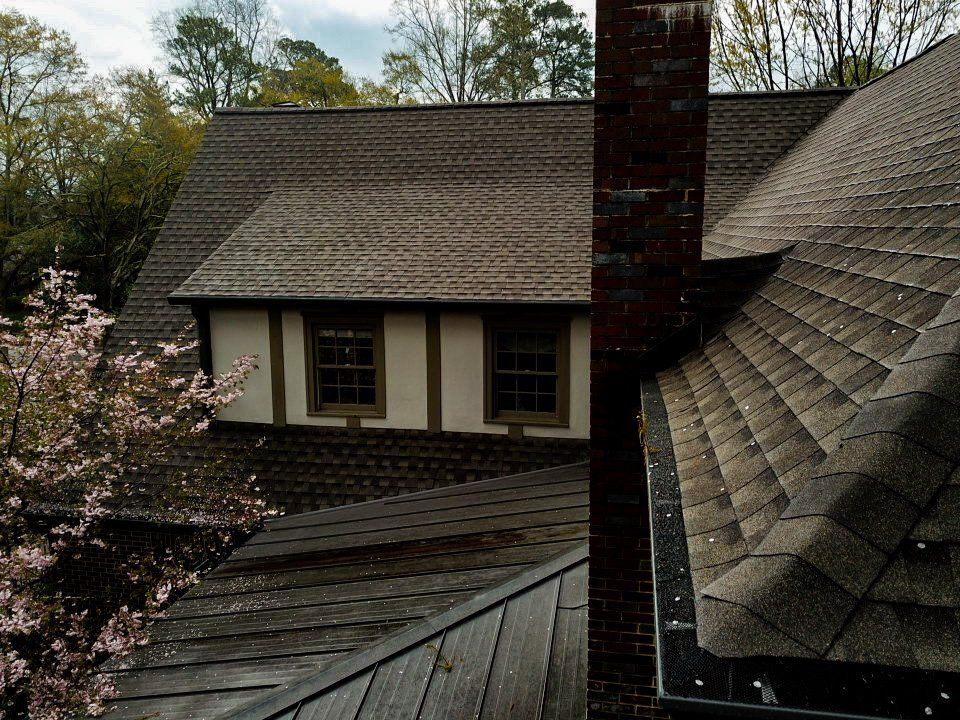
We want every customer that hires us to do so knowing what they can expect to see at the end of their roofing job. That’s why we’re proud to show you some of our past work.
VIEW OUR WORK

What Our Customers Say


Recent Roofing Blogs


By Stephen Griswell March 11, 2026
Your commercial roof is a silent guardian for your business, but it has a lifespan. When problems arise, you face a critical decision: patch it up again or invest in a full replacement? Continuing with repairs on an aging system can feel like a losing battle, leading to surprise costs, operational disruptions, and potential damage to your inventory. This guide is designed to bring clarity to that choice. We’ll cover the key warning signs that signal it’s time for a commercial roof replacement, explore the best material options for our Georgia climate, and help you understand the long-term value of making a smart, proactive investment in your property. CONTACT US Key Takeaways Know when to replace, not just repair : While repairs can fix minor issues, a full replacement is the smarter long-term investment when you face recurring leaks, widespread damage, or an old roof that is no longer energy efficient. Choose the right partner and materials : Your roof's performance depends on selecting the best materials for your building and hiring a qualified contractor. Always verify their license, insurance, and manufacturer certifications to ensure a quality installation backed by strong warranties. Plan the project and protect your investment : A smooth roof replacement starts with a detailed inspection and a schedule that minimizes business disruption. After installation, a consistent maintenance plan is the best way to protect your new roof and maximize its lifespan. Is It Time to Replace Your Commercial Roof? Your commercial roof is one of the most critical components of your building, quietly protecting your assets, employees, and daily operations. But like any major system, it has a finite lifespan. Deciding whether to schedule another repair or invest in a full replacement is a significant choice. While routine maintenance can extend the life of your roof, there comes a point when a replacement is the smarter, safer, and more cost-effective option. Ignoring the warning signs can lead to bigger problems, like interior water damage, structural issues, and even business disruptions that impact your bottom line. Understanding what to look for can help you make a proactive decision instead of a reactive one. If you’re seeing persistent leaks, visible damage on the roof’s surface, or a steady increase in your energy bills, it might be time to consider a new commercial roofing system. Let’s walk through the key indicators that signal your roof is nearing the end of its service life. Spotting Leaks and Water Damage A leak is more than just a minor annoyance; it’s your roof’s most direct way of telling you something is wrong. Obvious signs include water stains on ceilings or walls, active drips during a storm, or the development of a musty smell that could indicate hidden mold or mildew. Even a small, slow leak can cause significant damage over time, compromising insulation, rotting wooden support structures, and creating an unsafe environment. If you find yourself constantly patching the same areas or discovering new leaks after every heavy rain, your roof’s integrity is likely compromised. Acting quickly is key to preventing small issues from turning into major structural problems. Identifying Visible Structural Issues You don’t always need to wait for a leak to know your roof is in trouble. A visual inspection can reveal a lot about its condition. Look for areas where the roof appears to be sagging or dipping, as this can indicate that water is pooling and the underlying structure is strained. On flat or low-slope roofs, be on the lookout for bubbles, blisters, or large cracks in the membrane. These are signs that moisture has gotten trapped or that the material is breaking down from sun exposure and age. These issues can severely disrupt your business operations if they lead to a sudden failure, making a proactive inspection from a trusted contractor a wise investment. Considering Your Roof's Age and Energy Bills Every roofing system has an expected lifespan. A TPO roof might last 20 to 30 years, while a built-up roof could last a bit longer. If your roof is approaching or has surpassed its expected service life, it’s time to start planning for a replacement, even if it isn’t showing major signs of failure yet. An older roof is not only more susceptible to damage but also less energy-efficient. If you’ve noticed your heating and cooling costs creeping up, your aging roof could be the culprit. Modern roofing materials offer better insulation and reflective properties, which can lower your energy consumption and save you money in the long run. What Are Your Commercial Roofing Options? Choosing the right material for your commercial roof is a major decision that impacts your budget, maintenance schedule, and energy costs for years to come. The best option for your property depends on your building’s design, the local climate, and your specific business needs. As a Mule Hide Certified Contractor , we specialize in installing high-performance roofing systems designed for durability and efficiency. Let’s walk through some of the most reliable and popular commercial roofing materials available today so you can make an informed choice for your business. Exploring TPO Roofing Systems If you have a flat or low-slope roof, TPO (Thermoplastic Polyolefin) is a fantastic modern option. This single-ply roofing membrane is one of the most popular choices for commercial buildings, and for good reason. TPO roofs are highly reflective, which means they bounce sunlight away from your building, helping to keep cooling costs down during those hot Georgia summers. They are also incredibly durable, offering strong resistance to punctures, tears, and water damage. Its flexible membrane and heat-welded seams create a seamless, watertight barrier that protects your property effectively. Understanding EPDM and PVC Membranes EPDM and PVC are two other excellent single-ply membrane options. EPDM, often called a rubber roof, is a synthetic rubber material known for its exceptional durability and long lifespan. It holds up well against sunlight and extreme temperatures, staying flexible in the cold without cracking. It’s also relatively easy to repair, which can save you money on maintenance down the line. PVC roofing is another thermoplastic membrane, similar to TPO, but with a unique advantage: it’s highly resistant to chemicals, oils, and grease. This makes it an ideal choice for restaurants or manufacturing facilities where rooftop vents might expel damaging substances. PVC is also lightweight, reflective, and offers great resistance to fire and wind. Considering Durable Metal Roofing When it comes to longevity, it’s hard to beat a metal roof. With proper maintenance, a quality metal roofing system can last 50 years or more, making it a smart long-term investment. Metal is incredibly strong, stands up to severe weather, and is highly resistant to fire. Beyond its strength, metal roofing is also versatile. It comes in a variety of materials, like steel and aluminum, and a wide range of colors and finishes to match your building’s aesthetic. Plus, it’s a sustainable choice, as many metal roofing materials are made from recycled content and are fully recyclable at the end of their life. A Look at Built-Up Roofing Systems Built-Up Roofing, or BUR, is the classic "tar-and-gravel" roof you might be familiar with. This system has been trusted for over a century and is still a go-to for many commercial properties with low-slope roofs. It’s constructed with multiple layers of asphalt and reinforcing fabrics, then topped with a layer of gravel or another aggregate. This multi-layer design creates a thick, seamless, and highly durable surface that provides exceptional waterproofing and protection against foot traffic and weather. While it’s a heavier option, its toughness and proven track record make it a solid, reliable choice. How to Choose the Right Commercial Roofing Contractor Selecting a contractor for your commercial roof replacement is a major decision. You're not just hiring someone to install a roof; you're choosing a partner to protect one of your most significant assets. The right contractor ensures the job is done correctly, safely, and with high-quality materials that last. A poor choice can lead to leaks, premature roof failure, and even voided material warranties, turning a major investment into a major liability. Taking the time to vet your options thoroughly will save you from costly repairs and headaches down the road. When you start your search, it’s easy to get overwhelmed by bids and promises. The best way to cut through the noise is to focus on what truly matters: a company with a solid history of successful projects, the right credentials to prove their expertise, and a reputation built on quality and customer satisfaction. Think of it like hiring a key employee for your business. You wouldn't hire someone without checking their resume, verifying their qualifications, and speaking to their references. The same diligence applies here. The contractor you choose will be responsible for the structural integrity of your building's first line of defense against the elements. Their team will be working on your property, so safety and professionalism are paramount. By focusing on the key areas of experience, licensing, and reputation, you can confidently find a team you can trust to handle the project professionally from start to finish, ensuring your investment is protected for decades to come. Verify Their Experience and Certifications When it comes to your business, you want a team that knows exactly what they’re doing. Look for a contractor with a proven track record in commercial roofing, not just residential projects. They should be familiar with the specific type of roofing system your building needs, whether it's TPO, EPDM, or metal. Ask to see a portfolio of their completed commercial work. Beyond general experience, check for manufacturer certifications. These show that the crew has been specially trained to install a specific brand’s materials according to their strict standards. For example, being a Mule Hide Certified Contractor means a team has proven expertise in installing single-ply roofing systems, which is often a requirement for the best material warranties. Confirm They Are Licensed and Insured This step is non-negotiable. Before you even consider a bid, confirm that the contractor is properly licensed and insured. A valid license proves they meet state and local regulations to operate legally. More importantly, proper insurance protects your business from liability. Ask for proof of both general liability insurance and workers' compensation. If a worker is injured on your property and the contractor isn't insured, you could be held financially responsible. A professional company will readily provide you with their documentation. This simple check shows that the contractor operates professionally and follows essential safety protocols, which is a clear indicator of their commitment to quality work. Ask About Warranties and Check References A reputable contractor stands behind their work, and the best way they show this is through strong warranties. You should receive two types: a manufacturer's warranty that covers the materials against defects and a workmanship warranty from the contractor that covers the installation itself. Be sure you understand the terms and duration of both. A long-term workmanship warranty is a sign of a contractor's confidence in their skills. Finally, ask for references from previous commercial clients, preferably from projects similar to yours. A confident contractor will be happy to connect you with past customers. Speaking with a reference gives you honest insight into their process, communication, and the quality of the final product. What Factors Into a Commercial Roof Replacement Cost? When you’re looking at a commercial roof replacement, the final price tag can feel like a big question mark. It’s a major investment in your property, and understanding the quote is the first step toward making a confident decision. The cost isn’t just a single number; it’s a combination of several key elements that work together. The materials you choose, the specific size and shape of your roof, and the labor required to get the job done all play a significant role. Let's break down what goes into the final number so you know exactly what to expect. How Your Material Choice Affects Price The type of material you select is one of the biggest factors in your total cost. The best option for your building depends on your budget, your property’s specific needs, and our local Georgia climate. Different commercial roofing systems come with varying price points and lifespans, which affects both your upfront investment and your long-term expenses. For example, a TPO roof might have a different initial cost compared to a metal roof, but each offers unique benefits in terms of durability and energy efficiency. We can walk you through the pros and cons of each material to find the perfect balance of performance and price for your property. The Role of Roof Size and Complexity It makes sense that a larger roof requires more materials and time, leading to a higher cost. But it’s not just about the total square footage. The complexity of your roof's design is just as important. A simple, flat roof is more straightforward to replace than one with multiple levels, steep pitches, or numerous obstacles. Features like HVAC units, vents, pipes, and skylights require precise cutting and sealing, which adds to the labor time and intricacy of the job. These complex details demand specialized techniques to ensure every inch of your new roof is secure and watertight, which is reflected in the project's cost. Factoring in Labor and the Project Timeline Labor is another significant component of your replacement cost, and it covers more than just the installation. The price includes the skill and experience of the crew responsible for protecting your asset. A more complex project requires a team with specialized training, which can influence the cost. At Total Roof Solutions, our experienced team is certified to handle intricate installations, ensuring the job is done right. The project timeline also matters. Proper planning helps manage resources efficiently, while factors like weather or the need for a quick turnaround can impact the schedule and overall cost. We work with you to create a timeline that minimizes disruption to your business. Repair or Replace? Making the Smart Decision Deciding between repairing your commercial roof and replacing it entirely is a major decision for any property owner. It’s not just about the upfront cost; it’s about protecting your investment, ensuring safety, and keeping your business running without a hitch. The best path forward depends on your roof's current condition, its age, and your long-term goals for the property. Let's walk through the key considerations to help you make a confident and informed choice for your building. When Repairs Are the Cost-Effective Choice If your roof is relatively young and the damage is contained to a small area, a professional repair is often the most sensible option. Think of issues like a few missing shingles, minor cracks, or a small, localized leak. Addressing these problems quickly prevents them from spreading and causing more extensive damage down the line. A targeted repair can restore your roof's integrity without the cost and disruption of a full replacement. Consider it proactive maintenance that extends the life of your existing roof and keeps your building protected from the elements. The Long-Term Value of a Full Replacement Sometimes, a repair is just a temporary patch on a much larger problem. If your roof is old, has widespread damage, or needs frequent fixes, a full replacement is likely the smarter long-term investment. Key factors to consider are the age of your roof and the extent of the damage. Constantly paying for repairs can add up quickly, eventually costing more than a new roof would have. A full commercial roof replacement provides a fresh start, giving you peace of mind and a reliable, long-lasting solution that protects your assets for decades to come. How a New Roof Impacts Energy Efficiency and Property Value A new roof does more than just keep the elements out; it can actively improve your bottom line. Modern roofing materials, especially TPO and PVC systems, are designed for energy efficiency. Their reflective surfaces can significantly lower cooling costs during hot Georgia summers. Beyond energy savings, a new roof is a major asset that increases your property's value and curb appeal. It also prevents the significant financial impact of roof failures, which can include business interruptions and damage to inventory. Investing in a quality roof from a trusted Owens Corning Platinum Preferred contractor protects your business operations and enhances your building's overall worth. How to Plan Your Commercial Roof Replacement A full commercial roof replacement is a significant project, and unlike a minor repair, it requires careful planning. Getting the details right from the start ensures the project runs smoothly, stays on budget, and protects your business. From financial planning and contractor selection to scheduling and long-term maintenance, every step matters. Here’s how to create a solid plan for your roof replacement. Start With a Professional Inspection and Assessment The first step in planning your roof replacement is a professional inspection. This is more than a quick look; it’s a thorough assessment that reveals your roof's true condition, uncovering hidden issues like trapped moisture or subtle structural weaknesses. This evaluation provides the critical information you need to make informed decisions about materials and scope. It also forms the basis for an accurate quote, so you can build a realistic budget without surprise costs. Think of it as the blueprint for your entire commercial roofing project. Create a Plan to Minimize Business Disruption A major concern for any business owner is how construction will affect daily operations. A roof replacement can be disruptive, but a good contractor will work with you to minimize the impact. Before work begins, discuss a logistics plan that might include scheduling loud work outside of business hours or creating safe pathways for customers. Proactive planning helps you avoid the much larger disruption of an emergency shutdown from a sudden roof failure. A thoughtful contractor understands that protecting your business is just as important as protecting your building, and we pride ourselves on being that kind of community-focused partner . Work Around Weather and Project Deadlines Timing is everything in roofing. Scheduling your replacement during a season with predictable, mild weather is ideal for a smooth installation. In Georgia, this often means planning for spring or fall to avoid intense summer heat or winter freezes. Working around the weather prevents delays and ensures materials are installed under optimal conditions. It’s also important to consider your own business calendar. Do you have a busy season to avoid? Discussing these factors with your contractor early allows you to create a timeline that works for everyone, ensuring the best outcome for your investment. How to Maintain Your New Commercial Roof Your new commercial roof is a significant investment in your property's future. To get the most out of it and ensure it performs for decades, a solid maintenance plan is essential. Proactive care protects your building from the elements, prevents unexpected repair bills, and helps you get the full value from your new roofing system. By staying on top of a few key tasks, you can keep your roof in excellent condition and avoid the stress of premature failures. Why You Need a Regular Inspection Schedule Setting up a regular inspection schedule is one of the smartest things you can do for your new roof. These routine check-ups help you catch minor issues like clogged drains, small punctures, or failing seals well before they turn into major headaches and expensive emergencies. By spotting these concerns early, you can keep repair costs down and significantly extend your roof’s useful life. A professional can identify subtle signs of wear and tear on your commercial roof that might otherwise go unnoticed, ensuring your building stays protected year-round. Simple Tips for Preventive Maintenance Beyond professional inspections, a few simple preventive steps can make a big difference. Start by making sure your drains and gutters are clear of leaves, dirt, and other debris to prevent water from pooling, which can cause serious damage over time. It’s also a good idea to trim any overhanging tree branches that could fall and puncture the roof membrane. Limiting foot traffic can also prevent unnecessary wear. Working with a qualified roofing contractor to create a maintenance plan tailored to your specific roof system is the best way to protect your investment and reduce long-term costs. Related Articles When Should You Have a Commercial Roof Replaced Instead of Repaired in Atlanta Commercial Roofing Options in Atlanta: A Comprehensive Guide Do Commercial Businesses Need to Shut Down During Roof Repair and Replacement CONTACT US Frequently Asked Questions How long can I expect a new commercial roof to last? The lifespan of your new roof really depends on the material you choose and how well you maintain it. For example, single-ply systems like TPO or EPDM typically last between 20 and 30 years. A durable metal roof, on the other hand, can protect your building for 50 years or even longer. Regular inspections and preventive care are the best ways to ensure you get the maximum life out of your investment. Will a new roof really lower my energy bills? Yes, it absolutely can, especially here in Georgia. Many modern roofing materials, particularly white TPO membranes, are highly reflective. This means they bounce solar heat away from your building instead of absorbing it. This simple feature can significantly reduce the workload on your HVAC system during hot summers, leading to noticeable savings on your cooling costs. What's the difference between a manufacturer's warranty and a workmanship warranty? This is a great question because both are critical. The manufacturer's warranty covers the roofing materials themselves against defects. The workmanship warranty, which is provided by the contractor, covers the quality of the installation. A strong workmanship warranty is a sign that your contractor is confident in their team's skill and stands behind their work. You should always receive both in writing. How can I minimize disruption to my business during the replacement? A professional roofing contractor will always work with you to create a plan that keeps your business running as smoothly as possible. This involves careful scheduling, such as performing the loudest work outside of your peak hours, and setting up clear, safe pathways for your employees and customers. Open communication with your project manager is key to ensuring the project has a minimal impact on your daily operations. What is the best type of roof for a commercial building in Georgia? There isn't one single "best" roof; the right choice depends on your building's structure, your budget, and your business needs. For many flat or low-slope roofs in our climate, TPO is a popular choice because its reflective properties help with energy costs. For buildings that need exceptional longevity and durability against severe weather, a metal roof is an excellent long-term investment. We can help you weigh the pros and cons of each option for your specific property.
By Stephen Griswell March 10, 2026
When you notice a water spot on the ceiling or debris on the ground, it’s easy to feel a sense of dread about what it means for your roof and your budget. The good news is that a proactive approach can save you significant time, money, and stress. Knowing what to look for and who to call is half the battle. This article breaks down the entire commercial roof repair journey into manageable steps. You’ll learn how to spot trouble early, what to expect from the repair process, and how to vet contractors to ensure you get quality work that lasts. CONTACT US Key Takeaways Identify problems early through proactive maintenance : Look for interior and exterior warning signs like water spots or damaged flashing, and stick to a regular inspection schedule to catch small issues before they become major headaches. Choose the right professional for the job : A successful repair depends on hiring a licensed, insured, and certified contractor who provides clear communication and detailed estimates, which is far safer than a risky DIY attempt. Weigh the long-term value of repair versus replacement : Consider your roof's age, the extent of the damage, and future costs to decide if a targeted repair is sufficient or if a full replacement is the smarter investment. Does Your Commercial Roof Need Repair? Look for These Signs Your commercial roof is your building's first line of defense, but it's easy to forget about it until a problem becomes obvious. Catching issues early can save you from costly repairs, protect your inventory, and prevent disruptions to your business. Knowing what to look for is the first step. A quick visual check from the ground and a look around your building's interior can reveal subtle clues that your roof needs attention. Here are the key signs that it’s time to call in a professional for a commercial roof inspection. Spotting Exterior Damage You don’t need to climb a ladder to spot some of the most common signs of roof trouble. From the ground, look for any obvious changes to the roof's surface. Watch out for cracked, torn, or missing sections of roofing material, especially after a storm. You might also notice damaged flashing, which is the metal stripping around vents, chimneys, and skylights. Another subtle sign is the appearance of bumps or loose fasteners under the roof membrane, which can indicate that the underlying structure is compromised. These issues can allow water to seep in, leading to more significant damage over time. If you see anything that looks out of place, it's a clear signal to get a professional opinion. Interior Warning Signs You Can't Ignore Sometimes, the first sign of a roof problem appears inside your building. Water spots on the ceiling or walls are a classic indicator of a leak, even if it seems small. Don't ignore them, as they often point to a bigger issue. Similarly, any signs of mold or a persistent musty smell could be caused by moisture getting in through a damaged roof. Have you noticed your energy bills creeping up for no reason? A compromised roof can damage your insulation, making your HVAC system work harder to maintain the building's temperature. These interior clues are your building's way of telling you it's time to have your commercial roof checked out. Checking for Drainage and Water Issues Proper water drainage is critical for the health of your commercial roof. After it rains, take a look at your roof if you can do so safely. Puddles of water that remain for more than 48 hours, often called "ponding," are a major red flag. This standing water adds significant weight to your roof and can mean the insulation is compressed or the drainage system isn't working correctly. It's also important to regularly check that your gutters and drains are clear of leaves, dirt, and other debris. Clogged gutters can cause water to back up and seep under the roofing material, leading to rot and structural damage. Common Commercial Roofing Materials and How to Repair Them Your building’s roof is its first line of defense, and the right repair strategy depends entirely on the material it's made from. Different systems have unique strengths and weaknesses, which means a one-size-fits-all approach just won’t work. Let's walk through some of the most common commercial roofing materials and what goes into fixing them properly so you know what to expect. Repairing TPO and EPDM Membrane Roofs TPO and EPDM are single-ply membrane roofs, popular for their durability and energy efficiency on flat or low-slope buildings. However, they can be vulnerable to punctures from foot traffic, falling debris, or tears along the seams where the material is joined. A proper repair starts with a thorough cleaning of the damaged area to ensure a strong bond. Next, a specialized patch is applied using heat-welding for TPO or a strong adhesive for EPDM. This process creates a watertight seal that restores the membrane’s integrity and prevents leaks from spreading. Handling Metal Roof Repairs Metal roofs are known for their impressive lifespan, but they aren’t indestructible. Common issues include loose or failing fasteners that allow water to seep in, rust formation in scratched areas, and punctures or dents from severe weather. The repair process often involves replacing worn-out fasteners with new, oversized ones that have a rubber washer to create a tight seal. For leaks or rust, the area is cleaned, treated for corrosion, and then sealed with a high-quality sealant or patch compatible with the specific type of metal. This ensures the repair will last and protect your investment. Fixing Built-Up Roofing Systems Built-up roofing, or BUR, is a classic system made of layered asphalt and reinforcing fabrics. Over time, these roofs can develop problems like blisters from trapped moisture, deep cracks from sun exposure, or areas where water pools. Repairing a BUR system is an intensive process. It involves carefully cutting away the damaged layers down to a stable substrate. Then, new layers of bitumen and fabric are applied, overlapping with the existing roof to create a seamless, durable patch. It’s crucial that this work is done by professionals who understand how to maintain the integrity of these complex, multi-layered systems. What to Expect During a Commercial Roof Repair Navigating a commercial roof repair can feel like a huge undertaking, but it doesn’t have to be overwhelming. When you know what to expect, you can plan accordingly and feel confident in the process. A professional repair project typically follows a clear, four-step path from the initial call to the final sign-off, ensuring your business is protected and the job is done right. Let’s walk through each stage so you’re prepared. Step 1: The Initial Assessment and Damage Evaluation The first thing we do is a thorough inspection of your roof. Commercial properties, especially here in Georgia, can take a beating from everything from intense sun to severe storms. A comprehensive initial assessment is the only way to understand the full extent of the damage and map out a precise repair plan. We’ll get on the roof to identify every issue, from obvious punctures and tears to less visible problems like membrane deterioration or water pooling. This detailed evaluation forms the foundation for an accurate estimate and an effective, long-lasting commercial roof repair. Step 2: Documenting Damage for Insurance Claims If the damage is covered by your insurance, detailed documentation is your best friend. We help you through this by taking extensive photos and videos of every problem area we find during our assessment. This visual evidence is crucial for building a strong insurance claim and making sure you receive the compensation you’re entitled to. We provide clear, professional documentation that explains the cause and extent of the damage, which simplifies the claims process for you and your insurance adjuster. This step ensures that all necessary repairs are accounted for and properly funded, removing a major headache from your plate. Step 3: Planning the Repair and Selecting Materials Once we understand the scope of work, we’ll create a detailed repair plan. This is where experience really matters. Instead of just offering the cheapest fix, we focus on providing the best long-term value for your property. As an Owens Corning Platinum Preferred contractor , we use only high-quality, durable materials designed for commercial applications. We’ll discuss your options, explaining the pros and cons of each material so you can make an informed decision that fits your budget and protects your investment for years to come. Step 4: Setting a Timeline and Managing the Project Clear communication is key to a smooth repair process. We’ll establish a realistic project timeline and keep you informed every step of the way. While unexpected challenges like weather delays can happen, our project management approach is designed to minimize disruptions to your business operations. We work efficiently to complete the repair on schedule and within budget, addressing any potential issues before they become major problems. Our goal is to handle the logistics so you can stay focused on running your business, confident that your property is in capable hands. How Much Do Commercial Roof Repairs Cost? Budgeting for a commercial roof repair can feel tricky because there isn't a single, standard price. The final cost depends on a unique set of circumstances specific to your building and the nature of the damage. Think of it less like buying a product off the shelf and more like a custom service tailored to your roof's specific needs. Several key elements play a role in determining the price, from the materials on your roof to the complexity of the fix. Understanding these variables will help you set a realistic budget and know what to expect. To make sure you're prepared, it’s helpful to know what drives repair costs, how to prevent unexpected expenses, and what a good estimate should look like. This knowledge empowers you to make informed decisions and protect your investment without breaking the bank. What Factors Influence Repair Prices? The cost of a commercial roof repair is shaped by a few major factors. First, the type of commercial roofing system you have, whether it's TPO, metal, or a built-up system, will significantly impact material and labor costs. The overall size of your roof and the specific area that needs attention also play a big part. A small patch job will naturally cost less than addressing widespread damage. The complexity of the job matters, too. Repairs on a flat, open roof are typically more straightforward than those on a roof with numerous vents, skylights, or HVAC units to work around. Finally, the extent of the damage is a crucial factor. A simple leak fix is one thing, but if there's underlying structural damage from prolonged water exposure, the repair will be more involved and costly. Avoiding Hidden Costs and Budget Surprises No one likes financial surprises, especially during a major repair. The best way to avoid hidden costs is to start with a thorough, professional roof inspection before any work begins. A detailed assessment can uncover underlying issues, like saturated insulation or deck rot, that aren't visible from the surface. Catching these problems early prevents them from becoming bigger, more expensive headaches down the road. Think of regular maintenance as your first line of defense. Sticking to a consistent inspection schedule and addressing small issues as they appear is far more cost-effective than waiting for a major failure. Timely, minor repairs protect your roof's integrity and can save you thousands in the long run by preventing catastrophic damage that could disrupt your business operations. How to Get an Accurate Estimate Getting a clear and accurate estimate is essential for planning your budget. When you're ready for quotes, reach out to a few reputable contractors to compare your options. A trustworthy estimate won't just give you a bottom-line number; it will provide a detailed breakdown of all anticipated costs, including labor, materials, and any necessary permits. This transparency helps you understand exactly what you're paying for. Don't hesitate to ask questions if something isn't clear. A good contractor will be happy to walk you through the estimate and explain each line item. It's also a smart practice to get everything in writing and document your conversations. This ensures everyone is on the same page from the start and helps create a smooth, accountable repair process. Common Challenges During a Commercial Roof Repair Even a well-planned commercial roof repair can hit a few snags. Knowing what to expect helps you prepare for potential issues and keep your project on track. From coordinating with tenants to dealing with unpredictable weather, a professional roofing partner will help you handle these challenges with clear communication and expert planning. The key is to work with a team that anticipates these problems and has proven strategies to solve them, ensuring your repair process is as smooth as possible from start to finish. Minimizing Business Disruptions and Communicating with Tenants One of the biggest concerns during a commercial roof repair is the impact on daily operations. Noise, debris, and restricted access can frustrate employees and tenants. A great contractor will work with you to create a detailed plan that minimizes disruptions. This includes scheduling noisy work during off-hours and maintaining clean, safe entryways. Effective communication is also essential. Keeping everyone informed about the repair schedule and what to expect helps manage expectations and maintains positive relationships with your tenants. Handling Weather Delays and Scheduling Conflicts Weather is the one variable no one can control. Rain, high winds, and extreme temperatures can bring roofing work to a halt, both for the safety of the crew and the quality of the installation. These weather-related obstacles can impact your project timeline. An experienced contractor will monitor the forecast closely, build contingency days into the schedule, and protect your building from the elements if work has to stop unexpectedly. They will also communicate proactively about any delays, so you’re never left wondering about the status of your project. Simplifying the Insurance Claim Process If your roof damage is covered by insurance, filing a claim can feel like a job in itself. Insurance companies often require extensive documentation to approve a claim, and the process can be confusing. Property owners need to know how to manage claims to ensure they receive fair payment for damages. A seasoned roofing contractor can be a huge asset here. We can provide detailed damage reports, high-quality photos, and precise estimates formatted in a way that insurance adjusters understand, helping to streamline the process and support your claim. Why DIY Commercial Roof Repair Is a Bad Idea While you might be tempted to handle a minor repair yourself to save money, it’s a risky move for commercial properties. Commercial roofing systems are complex and require specialized knowledge and equipment. A DIY attempt can easily lead to more significant damage, personal injury, and voiding your roof’s warranty. Professionals are insured, which protects you from liability if an accident occurs. Instead of taking a chance, it’s always better to solve commercial roofing challenges by hiring a licensed and insured contractor who can get the job done safely and correctly. How to Choose the Right Commercial Roofing Contractor The success of your commercial roof repair depends heavily on the team you hire. The right contractor brings not only technical skill but also professionalism, reliability, and peace of mind. Choosing the wrong one can lead to shoddy work, unexpected costs, and even legal trouble. So, how do you find a partner you can trust to protect your investment? It comes down to doing a little homework. You’ll want to verify their qualifications, look into their track record, and keep an eye out for any warning signs. Taking the time to vet your options thoroughly ensures your repair is done correctly the first time, minimizing disruptions to your business and protecting your property for years to come. Think of it less as a hiring decision and more as a long-term partnership for the health of your building. Look for Essential Qualifications and Certifications Before you even discuss your project, confirm the contractor has the essentials covered. Your roofing partner must be fully licensed, insured, and bonded to operate in your area. This isn't just paperwork; it’s your protection. Liability insurance covers any accidental property damage, while workers' compensation protects you if a crew member is injured on your property. Beyond the basics, look for contractors with certifications from top manufacturers . Credentials like being an Owens Corning Platinum Preferred or Mule Hide Certified contractor show that the team has received specialized training and is trusted to install materials to the highest standards. This often translates to better craftsmanship and access to stronger warranties. Evaluate Their Experience and Reputation A contractor’s history speaks volumes. Look for a company with a long, established presence in your local area and a portfolio of successful commercial roofing projects. An experienced team will understand local building codes and the specific challenges posed by our Georgia climate. Don’t just take their word for it. Ask for references from past commercial clients and check online reviews on platforms like Google and the Better Business Bureau. A reputable company will be happy to provide examples of their past work and connect you with satisfied customers. A proven track record is one of the best indicators of the quality and service you can expect for your own property. Red Flags to Watch Out For Knowing what to avoid is just as important as knowing what to look for. Be cautious of any contractor who uses high-pressure sales tactics or demands a large upfront payment before any work begins. A major red flag is an unusually low bid that is significantly cheaper than all other estimates. This often points to subpar materials, inexperienced labor, or a lack of proper insurance. Also, be wary of anyone who is difficult to contact or provides vague, unprofessional contracts. A trustworthy contractor will offer a detailed, written estimate that clearly outlines the scope of work, materials to be used, and a projected timeline. If a contractor can’t provide proof of insurance or licensing, walk away immediately. Repair or Replace? How to Decide for Your Commercial Roof Deciding whether to patch up a problem or invest in a full replacement is one of the biggest choices a property owner can make. A quick fix might seem tempting for your budget right now, but it could lead to bigger, more expensive issues down the road. On the other hand, a full replacement is a major investment. The right choice depends on a careful evaluation of your roof's age, its current condition, and your long-term business goals. Making an informed decision now protects your property, prevents disruptions, and gives you peace of mind for years to come. Considering Your Roof's Age and Condition Most commercial roofs have a lifespan of about 20 to 30 years, depending on the materials and quality of installation. If your roof is approaching this age range, replacement is often the more sensible long-term solution. Constant repairs on an old roof can feel like putting a bandage on a much larger problem. Look for signs of widespread wear, like extensive cracking, large blisters, or significant membrane shrinkage. Another major red flag is standing water. If you notice water pooling 48 hours after it rains, first check for clogged drains. If the drains are clear, the issue could be structural, which often points toward the need for a full commercial roof replacement. Weighing the Costs and Benefits The cost of a repair versus a replacement isn't just about the number on the estimate. You also have to consider the hidden costs of a failing roof. Think about potential business interruptions, damage to inventory or equipment, and the safety of your employees and customers. While a single, isolated repair can be cost-effective, frequent fixes for recurring leaks or damage will add up quickly. A full replacement, while a larger upfront investment, comes with a new warranty, improved energy efficiency, and the security of knowing your building is protected. The best way to understand your options is with a professional assessment to get a clear picture of your roof's health and a reliable cost-benefit analysis. Proactive Maintenance to Extend Your Roof's Lifespan The best way to handle a major roof repair is to prevent it from happening in the first place. Proactive maintenance is one of the smartest investments you can make for your commercial property. Instead of waiting for a leak to disrupt your business, a consistent maintenance plan helps you catch small issues before they become expensive disasters. Think of it as routine healthcare for your building, designed to keep it strong and resilient against the elements. A little preventative care can mean the difference between a minor fix and a full-scale replacement that halts your operations. A well-maintained roof not only protects your inventory, equipment, and employees but also lasts significantly longer, saving you from the premature cost of a full replacement. By staying ahead of wear and tear, you can better manage your budget and avoid unexpected expenses that always seem to pop up at the worst times. A little attention now goes a long way in preserving the integrity of your commercial roofing system and ensuring your business operations continue without a hitch. This approach keeps your building safe, secure, and professional-looking for years to come, giving you valuable peace of mind. The Importance of a Regular Inspection Schedule Regular inspections are your first line of defense in protecting your roof and making it last longer. We recommend having a professional inspect your commercial roof at least twice a year, typically in the spring and fall, to prepare for the harshest weather seasons. These check-ups allow a trained eye to spot subtle signs of weakness, like cracked seals or minor membrane damage, that could otherwise go unnoticed. It’s also critical to schedule an inspection after any severe weather event, like a hailstorm. Even if you don't see obvious damage from the ground, a professional can identify hidden issues that could lead to serious problems down the road. Keeping Your Drainage System Maintained Your roof’s drainage system is essential for protecting your entire building. When gutters, scuppers, and drains are clogged with leaves, dirt, and other debris, water has nowhere to go. This leads to pooling on your roof, which adds significant weight and stress to the structure and can quickly cause leaks. Keeping your roof’s drainage system clear is a simple but vital task. Regularly cleaning your roof and ensuring gutters and drains are free of blockages prevents water from backing up and seeping into the building, protecting both the roof and the foundation from costly water damage. Seasonal Prep and Emergency Planning A roof failure can bring your business to a grinding halt, so preparing for seasonal changes and potential emergencies is a must. Before winter, it’s important to clear away any debris that could trap moisture and cause ice dams. After a hot summer, an inspection can catch any damage caused by UV exposure. Beyond seasonal prep, having an emergency plan is crucial. Know who you’re going to call when a problem arises so you can act quickly to minimize damage. Partnering with a trusted roofing contractor like Total Roof Solutions means you have an expert team ready to respond when you need it most, ensuring your business is protected year-round. Partner with Total Roof Solutions for Your Commercial Roof Repair When your commercial property needs attention, choosing the right partner is the most important decision you’ll make. You need a team that not only has the technical skill but also understands the stakes for your business, tenants, and customers. At Total Roof Solutions, we get it. We know that a roof repair is more than just a project; it’s about protecting your investment and ensuring your operations continue smoothly. Our commitment is to provide a seamless experience from the first inspection to the final walkthrough, giving you complete confidence in the integrity of your roof. We bring decades of hands-on experience to every job, backed by elite industry certifications. As an Owens Corning Platinum Preferred and Mule Hide Certified Contractor, our team is trained to the highest standards in the industry. This means we use only durable, high-quality materials and apply them with detailed craftsmanship that lasts. You can learn more about our qualifications and community commitment on our About Us page. We don’t just fix roofs; we build long-term solutions that you can rely on for years to come, all supported by strong warranties. We specialize in a wide range of commercial roofing systems and understand the unique challenges that come with each. We prioritize clear, consistent communication throughout the repair process, so you’re never left wondering about timelines or progress. Our team works efficiently to minimize any disruption to your business, coordinating with you to create a schedule that respects your operational needs. From documenting damage for insurance claims to providing a transparent and accurate estimate, we are here to make the entire process straightforward and stress-free. Let’s work together to keep your property safe, secure, and in top condition. Related Articles Do Commercial Businesses Need to Shut Down During Roof Repair and Replacement? When Should You Have a Commercial Roof Replaced Instead of Repaired in Atlanta? Understanding the Costs: What to Expect for Residential Roof Repair Services CONTACT US Frequently Asked Questions How often should I have my commercial roof inspected? For most commercial properties, a professional inspection twice a year is the sweet spot, once in the spring and again in the fall. This allows a professional to catch any potential issues before the most extreme weather seasons hit. It's also a smart move to schedule an inspection after any major storm, even if you don't see any obvious damage from the ground. Will a roof repair disrupt my business? We understand that keeping your business running smoothly is your top priority. A professional contractor will work with you to create a repair plan that minimizes interference. This often involves scheduling loud work during off-hours, maintaining clear and safe access for your employees and customers, and communicating every step of the project so you always know what to expect. What's the main difference between repairing and replacing my roof ? A repair is the right choice when the damage is isolated to a specific area and the rest of your roof is still in good condition. It's a targeted fix for leaks, punctures, or flashing issues. A full replacement is necessary when the roof is nearing the end of its lifespan, the damage is widespread, or recurring repairs are no longer a cost-effective solution. Can I handle a small commercial roof leak myself? It might seem like a simple fix, but we strongly advise against DIY repairs on commercial roofs. These systems are far more complex than residential roofs and require specialized tools and knowledge. An improper repair can easily make the problem worse, void your roof's warranty, and create a serious safety risk for you or your employees. What should I look for in a good repair estimate? A trustworthy estimate should be clear, detailed, and transparent. Instead of just a single price, it should provide an itemized breakdown of all costs, including labor, specific materials, and any necessary permits. This level of detail shows that the contractor has done a thorough assessment and helps you understand exactly what you are paying for.
By Stephen Griswell March 9, 2026
When you think about a new roof, what comes to mind? For most people, it’s the familiar look of asphalt shingles. While they are a fantastic and popular choice, they are far from your only option. The world of roofing has expanded to include materials that offer incredible durability, unique styles, and even energy-saving benefits. Your roof plays a huge role in defining your home's character, and choosing the right material is your chance to make a statement. To help you see what's possible, we're going to walk through the top 5 types of roofing system, from timeless tile to rustic wood shakes, so you can discover the perfect match for your home's architecture and your personal style. CONTACT US Key Takeaways Choose a material that fits your home and budget : Each option, from classic asphalt shingles to premium slate, offers a different balance of style, durability, and cost. Consider what matters most to you for the long run. Look at the bigger picture before deciding : Your home's structure must be able to support heavier materials like tile, and your choice needs to stand up to Georgia's climate. Always check local building codes and HOA guidelines first. Calculate the long-term value, not just the upfront cost : A roof's true price includes future maintenance and potential energy savings. Investing in a quality installation protects your home and adds significant value, making it a smart financial decision. What Are the Top 5 Roofing Systems? When it's time for a new roof, you'll find there's a whole world of options beyond what you might see in your neighborhood. The right roofing system does more than just keep the rain out; it defines your home's character, impacts your energy bills, and plays a huge role in its long-term protection. Understanding the main types of roofing materials is the first step toward making a choice you'll be happy with for decades. Let's walk through the top five roofing systems to help you find the perfect fit for your home's style and your budget. 1. Shingle Roofing You see asphalt shingles everywhere for a good reason. They are one of the most popular and cost-effective choices for residential roofing. The most basic option is the 3-tab shingle, which offers a flat, uniform look. For a bit more investment, architectural shingles provide a more dimensional, high-end appearance and significantly better durability and wind resistance. As an Owens Corning Platinum Preferred contractor, we know that quality shingles, when installed correctly, offer reliable protection and great value. While traditional asphalt is common, you can also find shingles made from materials like stone-coated steel for maximum longevity. 2. Wood Shake Roofing If you love a classic, rustic aesthetic, a wood shake roof might be for you. Traditionally made from cedar, these roofs offer a natural, textured look that blends beautifully with many architectural styles. Wood is also a natural insulator, which can help with your home's energy efficiency. However, real wood requires regular maintenance to prevent splitting, warping, or moss growth. For homeowners who want the look without the upkeep, modern composite polymers and stamped metal can replicate the appearance of wood shakes with enhanced durability and fire resistance. 3. Slate Roofing For a truly luxurious and long-lasting roof, nothing compares to natural slate. Each tile is a piece of real stone, giving your home a timeless, high-end look with unique color variations. A properly installed slate roof can last for a century or more, making it a true lifetime investment. The biggest considerations are its significant weight and cost. Your home's structure must be able to support it, and the installation requires specialized expertise. If you love the style but not the price tag, materials like stamped steel and composite polymers offer a similar look at a lower cost and weight. 4. Tile Roofing Often associated with Spanish or Mediterranean architecture, tile roofs bring a distinct, earthy elegance to a home. Traditional tiles are made from fired clay or concrete, creating the classic barrel or "S" shape that is both beautiful and durable. They are excellent at shedding water and can withstand harsh weather conditions. Like slate, tile is heavy and requires a strong roof structure to support its weight. Today, you can achieve this timeless style with modern materials like polymer, concrete, and steel, which provide the same aesthetic with different performance characteristics and installation requirements. 5. Metal Panel Roofing Metal roofing has come a long way from its purely industrial roots. While you'll still see it on barns, modern standing seam metal roofs offer a clean, sleek look that complements contemporary and traditional homes alike. Metal is incredibly durable, fire-resistant, and reflects solar heat, which can help lower your cooling costs. It's also available in a wider range of colors than almost any other material. From steel and aluminum to high-end copper, a metal roofing system is a fantastic long-term solution that combines modern style with serious performance. Asphalt Shingles: A Classic for a Reason Walk through almost any neighborhood in Georgia, and you’ll see home after home topped with asphalt shingles. There’s a good reason for their popularity. Asphalt shingles offer a fantastic combination of affordability, style versatility, and reliable performance, making them a go-to choice for millions of homeowners. They come in a wide array of colors and styles, so you can easily find an option that complements your home’s exterior. Modern asphalt shingles are far more advanced than their predecessors. As an Owens Corning Platinum Preferred contractor , we work with some of the highest-quality shingles on the market, designed to withstand harsh weather, resist algae growth, and provide years of protection. Whether you're building a new home or replacing an old roof, asphalt shingles provide a dependable and attractive solution that fits most budgets. They are a key part of our residential roofing services because they deliver consistent value and curb appeal. Three-Tab vs. Architectural: What's the Difference? When you start looking at asphalt shingles, you’ll quickly hear two terms: three-tab and architectural. Three-tab shingles are made from a single, flat layer and have a uniform, brick-like pattern. They are the more traditional and budget-friendly option. Architectural shingles, also known as dimensional shingles, are the more popular choice today. They are thicker, with multiple layers of material laminated together. This construction creates a richer, more varied texture that can mimic the look of natural materials like wood shake or slate, adding significant depth and character to your roof. Understanding Lifespan and Durability An asphalt shingle roof typically lasts between 15 and 30 years, depending on the type of shingle and local climate conditions. Architectural shingles generally have a longer lifespan and better wind resistance than their three-tab counterparts due to their heavier, multi-layer construction. Here in Georgia, factors like intense sun, high humidity, and strong storms can impact any roof's longevity. Proper installation and regular maintenance are key to getting the most out of your investment. While other materials may offer a longer lifespan, modern asphalt shingles provide an excellent balance of durability and cost-effectiveness for most homeowners. Key Installation Considerations The best shingles in the world won’t perform well if they aren’t installed correctly. A great roof does more than just look good; it keeps water out, helps with energy efficiency, and requires minimal fixing. Proper installation ensures every component, from the underlayment and flashing to the ventilation system, works together to protect your home. When you’re planning a new roof, it’s helpful to think about the style you want first. From there, an experienced contractor can help you find the right materials to achieve that look while staying within your budget and meeting all local building codes. Our team’s decades of experience ensure every detail is handled with precision. Metal Roofs: Modern and Durable If you’re picturing a rusty tin roof on an old barn, it’s time for a fresh look. Today’s metal roofs are one of the most popular choices for both residential and commercial properties, and for good reason. They offer a sleek, modern aesthetic that can complement any architectural style, from a classic Georgia home to a contemporary office building. But their appeal goes far beyond looks. Metal roofing is a powerhouse of durability, longevity, and even energy efficiency. Forget the idea that metal is a loud, one-size-fits-all option. Modern metal roofing comes in a variety of materials, colors, and styles, including standing seam panels that create clean, vertical lines with hidden fasteners. This system is engineered to be incredibly tough, standing up to harsh weather while requiring very little maintenance over its long life. It’s an investment that not only protects your property but can also add significant value and curb appeal. If you're looking for a roof that blends high performance with sophisticated style, metal is an excellent contender. Choosing Your Metal: Steel, Aluminum, or Copper When you decide on a metal roof, you have a few great materials to choose from. The most common and budget-friendly option is steel, which is typically galvanized or coated with a protective layer to prevent rust and reflect heat. It’s a real workhorse. A step up is aluminum, which is naturally rust-proof and much lighter than steel, making it a fantastic choice for coastal areas or homes where weight is a concern. For a truly premium look, you might consider copper. It’s a stunning material that develops a beautiful green patina over time and can last for over a century. The Energy Efficiency of Metal Roofs In the Georgia heat, keeping your home cool can feel like a full-time job. A metal roof can be a huge help. Many metal roofing systems are considered "cool roofs" because they are designed to reflect solar radiation , preventing your home from absorbing as much heat from the sun. This simple feature can significantly reduce the workload on your air conditioner, potentially lowering your cooling costs by 10-25%. By keeping your attic and home cooler, a metal roof not only saves you money but also creates a more comfortable living environment year-round. Built to Last: Weather Resistance and Longevity When it comes to durability, metal roofs are in a class of their own. With a lifespan ranging from 40 to 80 years, they often last two to three times longer than traditional asphalt shingles. They are built to handle just about anything Mother Nature throws their way, from high winds and heavy downpours to hail. Plus, metal is naturally fire-resistant, adding an invaluable layer of safety to your property. The key to unlocking this incredible performance is proper installation. A well-installed commercial metal roof will ensure your investment is protected for decades to come. Tile Roofs: Timeless Style and Strength If you’re looking for a roof that truly makes a statement, tile is hard to beat. With its distinctive, sculpted appearance and incredible durability, a tile roof adds a touch of elegance and permanence to any home. Often associated with Spanish and Mediterranean architecture, tile roofing is a premium choice that offers superior protection against the elements, including fire, rot, and insects. While it comes with a higher upfront cost compared to materials like asphalt, its impressive lifespan of 50 years or more can make it a worthwhile investment that pays for itself over decades. Beyond its beauty, a tile roof is also a champion of energy efficiency. The individual tiles are installed in a way that creates a natural air pocket underneath, which helps insulate your home from the outside. This barrier reduces heat transfer, keeping your house cooler during those hot Georgia summers and potentially lowering your energy bills. This natural ventilation is a huge plus in our climate. Plus, tiles are made from natural, earth-friendly materials, making them a more sustainable option. Whether you choose traditional clay or modern concrete, a tile roof is a beautiful and practical choice for homeowners who value both style and substance. Clay or Concrete: Which Tile Is Right for You? When you picture a tile roof, you’re probably thinking of classic clay tiles. They offer that timeless, rustic look with natural reddish-brown tones that have graced buildings for centuries. Clay is incredibly durable and its color won’t fade over time because it's baked in, not just coated on the surface. On the other hand, concrete tiles are a versatile and often more affordable alternative. Modern manufacturing allows concrete to be molded into various shapes and dyed in a wide range of colors, even mimicking the look of natural clay or slate. Your choice really comes down to your budget and the specific aesthetic you want to achieve. Achieving a Mediterranean or Spanish Look There’s a reason tile is the go-to material for Mediterranean and Spanish-style homes. The curved, repeating patterns create beautiful shadow lines and a rich texture that feels both warm and sophisticated. This distinctive architectural style instantly enhances your home’s curb appeal, giving it a custom, high-end feel. Whether your home’s design is explicitly Mediterranean or you simply want to add a touch of that timeless, sun-baked elegance, a tile roof can completely transform its appearance. It’s a look that feels both classic and perfectly at home in the sunny South. Is Your Home Ready for the Weight of Tile? Before you set your heart on a tile roof, there’s a critical factor to consider: weight. Both clay and concrete tiles are significantly heavier than asphalt shingles. Because of this, not every home is built to support the additional load. Your home’s underlying structure, from the rafters to the foundation, must be strong enough to handle the weight safely. That’s why a professional assessment is non-negotiable. A qualified expert can inspect your home’s framing and determine if any reinforcement is needed before you can move forward with a tile roof installation. Slate Roofs: The Ultimate in Luxury If you’re looking for a roof that combines timeless elegance with incredible longevity, slate is in a class of its own. This premium material offers a sophisticated look that other systems can only imitate. A slate roof is more than just protection; it's a long-term investment in quality and curb appeal that can last for generations. While it comes with a higher upfront cost, its unique benefits make it a top choice for homeowners who want the absolute best for their property. The Unique Beauty of Natural Stone The appeal of slate starts with its natural origin. It's a high-end roof system made from natural slate tiles quarried from the earth and shaped by skilled craftspeople. Because it’s a natural product, each tile has subtle variations in color and texture, giving your roof a unique character that can't be mass-produced. From deep blacks and grays to greens and purples, the rich tones of slate create a stunning visual that complements many architectural styles. This is the kind of material that defines luxury residential roofing and truly sets a home apart from the rest. A Roof That Can Last a Century When it comes to durability, slate is the undisputed champion. While many roofing materials last 20 or 30 years, slate roofs can last over 100 years. A properly installed slate roof can genuinely protect your home for your entire lifetime and beyond, meaning you may never have to think about a roof replacement again. Slate is naturally resistant to fire, rot, and insects, and it stands up exceptionally well to harsh weather. It’s a true legacy material that provides peace of mind and adds significant long-term value to your home. Important Weight Considerations A critical factor to consider with slate is its weight. Slate is very heavy, and roofs often need extra support to handle the load. Before installation, a qualified professional must inspect your home’s framing to determine if it can bear the weight. In some cases, structural reinforcement is necessary, which adds to the project cost. This isn't a step you can skip. Working with an experienced team that understands the engineering requirements is essential for a safe installation. Our team at Total Roof Solutions has the expertise to assess your home and ensure it's ready for a beautiful, long-lasting slate roof. Wood Shakes: Rustic Charm and Natural Insulation Wood shakes offer a warm, rustic charm that’s hard to replicate. If you love a natural aesthetic that blends beautifully with the landscape, a wood shake roof might be the perfect choice. Each shingle has a unique texture, creating a one-of-a-kind look with incredible curb appeal. Beyond their beauty, wood shakes also come with practical benefits, from natural insulation to modern safety features that address old concerns. Let's look at what makes this classic roofing material a compelling option. Cedar and Beyond: Exploring Wood Options When you think of wood shakes, you’re likely picturing cedar. Cedar shake roofs are made from natural cedar wood, and it's one of the most beautiful roofing materials available. The shingles are made by hand-splitting or sawing cedar logs, which gives them a rugged, textured appearance. This craftsmanship results in a roof with rich color variations and deep shadow lines. Cedar is also naturally resistant to moisture and insects, making it a durable choice for your home’s residential roofing system. Its timeless appeal complements a wide range of architectural styles, from cozy cottages to grand, rustic homes. How Wood Roofs Provide Natural Insulation One of the standout features of a wood shake roof is its ability to help keep your home comfortable. Wood shakes provide excellent insulation due to their natural properties, helping to keep homes warm in winter and cool in summer. The cellular structure of wood contains air pockets, which act as a natural barrier against heat transfer. This means that during hot Georgia summers, your roof helps block the sun’s heat from entering your attic, reducing the strain on your air conditioning system. In the winter, it helps keep the warm air inside. This added insulation can contribute to lower energy bills over time. Modern Fire Treatments and Safety A common question about wood shakes revolves around fire safety. It's true that in the past, many insurance companies wouldn't cover homes with real wood shakes due to their fire risk. However, modern treatments can enhance fire resistance, making them much safer. Today, most wood shakes are pressure-treated with fire retardants to meet strict safety standards, earning them a Class A, B, or C fire rating. This process significantly reduces their flammability and helps homeowners get insurance coverage. When you work with a trusted contractor , you can be confident your wood roof is installed with modern safety in mind. Don't Fall for These Common Roofing Myths When it comes to your roof, a little bit of misinformation can lead to big, expensive problems. There are plenty of roofing myths floating around that sound true but can steer you toward poor decisions about maintenance, repairs, or even a full replacement. Believing these myths can cause you to neglect your roof until a minor issue becomes a major disaster, costing you more time, stress, and money in the long run. From how long a roof should last to how it should be inspected, these misconceptions are surprisingly common and can affect any homeowner. Let's clear the air and debunk some of the most persistent myths we hear. Understanding the truth about your roof helps you protect your home, make informed choices, and work confidently with your roofing contractor. It empowers you to ask the right questions and spot advice that just doesn't add up. Knowing what's fact and what's fiction is the first step in giving your residential roofing system the care it needs to protect your family for years to come. We'll walk through three common myths that could be putting your home at risk, so you can feel more secure about the roof over your head. Myth: All Roofs Have the Same Lifespan It’s a common belief that every roof has a standard 25-year lifespan, but that’s simply not the case. The longevity of your roof depends heavily on the materials used, the quality of the installation, and even your attic’s ventilation. For example, classic asphalt shingles typically last between 15 and 30 years, while a durable metal roof can protect your home for 40 to 70 years or more. Materials like slate and tile can last even longer. Understanding these differences is key when you’re planning for a future replacement or choosing a new roof. It helps you set realistic expectations and a budget that aligns with the performance you need for your home. Myth: A Ground Inspection Is Good Enough Many homeowners think a quick look from the driveway is enough to know if their roof is in good shape. While you might spot an obvious issue like a missing shingle, a ground-level view can be misleading. It won't reveal subtle signs of damage or underlying problems that can only be seen up close. Issues like compromised underlayment, failing flashing around chimneys, or granule loss on shingles are often invisible from the ground. A professional roof inspection is the only way to get a complete and accurate assessment of your roof’s health. A trained expert can safely identify hidden risks before they turn into leaks and costly water damage inside your home. Myth: New Roofs Are Maintenance-Free Investing in a new roof is a fantastic feeling, but it’s a mistake to think you can just set it and forget it. Even brand-new roofs need attention to perform their best for decades to come. Think of it like a new car; you still need to do regular oil changes to keep it running smoothly. Your roof is constantly exposed to the elements, from harsh sun and heavy rain to falling branches and accumulating debris in your gutters . Regular check-ups allow you to catch and address small issues, like sealed-up flashing or debris buildup, before they compromise your new roof. A little proactive care ensures your investment remains in top condition and protects your home as intended. How to Choose the Best Roofing System for Your Home Choosing a new roof is a major investment in your home’s safety and value. The best choice depends on practical factors, from our local Georgia weather to your home’s unique structure. Considering these key points will help you find a roofing system that not only looks great but also provides lasting protection. Factor in Your Local Climate Here in Georgia, our roofs face intense summer sun, high humidity, and heavy downpours. The best roof for your home is one that can handle these specific challenges. For example, architectural shingles offer superior wind resistance compared to standard options, which is crucial during storm season. Metal roofing is another excellent choice for our climate, as it reflects solar heat, helping keep your home cooler and your energy bills down. The right material for a dry climate isn't always the best fit for a home in the Atlanta area. Check Your Home's Structural Support Before you commit to a roofing style, you need to know what your house can handle. Some materials, like slate and concrete tiles, are extremely heavy and not every home is built to support them. A home might need extra structural support to hold the weight of these premium materials, so a professional assessment is crucial. Lighter materials like asphalt shingles or aluminum are suitable for nearly any home, but a structural inspection is always a wise first step before making a final decision. Know Your Local Codes and HOA Rules Your ideal roof might be limited by local regulations. Many counties in the Atlanta metro area have specific building codes that dictate which roofing materials are permitted for safety and durability. On top of that, if you live in a neighborhood with a Homeowners' Association (HOA), you’ll have another set of guidelines to follow. HOAs often have strict rules about materials and colors to maintain a consistent look throughout the community. It’s always best to check these requirements upfront to avoid any costly surprises down the road. Balance Your Budget with Long-Term Value While the upfront cost is a major factor, it’s not the only number to consider. A cheaper roof might save you money today but could cost more long-term through frequent repairs and an earlier replacement. Think about the long-term value. For example, a metal roof may have a higher initial price, but its long lifespan and energy efficiency can offer a great return on investment. When you start planning, think about the style you love, then explore materials that fit your budget and long-term goals. Breaking Down the Costs: What to Expect A new roof is one of the most important investments you’ll make in your home. Thinking about the price tag can feel overwhelming, but understanding the full financial picture, from the initial payment to long-term value, helps you make a confident decision. The total cost of a roof involves more than just the materials; it includes labor, potential repairs to the underlying structure, and the long-term expenses of maintenance. By looking at the complete cost, you can choose a roofing system that not only fits your budget today but also protects your home and your wallet for years to come. Let's walk through the key financial components you should consider. Upfront Installation Costs The initial price of your new roof will depend heavily on the material you choose. Each option comes at a different price point, reflecting its durability, lifespan, and aesthetic. Asphalt shingles are often the most budget-friendly choice, available in several styles from basic 3-tab to more robust dimensional and luxury shingles. If you’re looking for something with a longer lifespan, a metal roof is an excellent option, though its upfront cost is typically two to three times higher than asphalt. At the premium end of the scale, you’ll find materials like slate, which is one of the most expensive but also one of the most durable and beautiful options available for your residential roofing project. Long-Term Maintenance and Repair Expenses The cost of a roof doesn't end once the installation is complete. To get the most out of your investment, you’ll need to plan for ongoing care. Regular inspections and maintenance are key to preventing small issues from turning into major, expensive problems like leaks. Forgetting about your roof can lead to significant damage over time. One of the most critical maintenance tasks is keeping your gutters clean. Clogged gutters can cause water to back up under your shingles, leading to rot and damage to your roof deck and even your home’s foundation. A little proactive care goes a long way in extending your roof's life and avoiding surprise repair bills. Calculating Your Return on Investment A new roof is more than just a necessary expense; it’s an investment that adds significant value to your property. The best way to protect that investment is to ensure you have a high-quality system installed by a team of experienced professionals. A well-designed and properly installed roof is your best guarantee of durability. When you eventually sell your home, a newer roof with a transferable warranty can be a major selling point for potential buyers, making your home stand out in a competitive market. By understanding the balance between upfront costs and long-term benefits, you can choose a roof that provides lasting protection and a solid return on your investment. Finding the Perfect Roof for Your Georgia Home Choosing a new roof for your Georgia home is a big decision. It’s not just about picking a color you like; it’s about finding a system that can handle our unique climate. From the sweltering summer heat and humidity to the sudden thunderstorms that can roll through, your roof has a tough job. The right choice will protect your home for decades, while the wrong one can lead to headaches and costly repairs down the line. So, where do you start? First, think about the specific weather challenges in our area. A roof that works well in a dry, cool climate might not stand up to Georgia's humidity. You need materials that resist moisture, prevent algae growth, and reflect heat to help keep your home cool during those long summers. Failing to align the material with the local climate is one of the biggest mistakes a homeowner can make. Next, consider your home's architectural style. Whether you have a classic brick ranch, a stately colonial, or a modern craftsman, the roof is a major design element. You want it to complement your home's look, not clash with it. Thankfully, you don't have to sacrifice style for durability. Modern materials like stone-coated steel, composite polymers, and concrete tiles can mimic the look of traditional slate or wood shake while offering superior performance. The key is to first think about the look you want, then find materials that fit your needs and budget. Ultimately, the best guarantee of a long-lasting roof is a high-quality system installed by professionals. Even the best materials will fail if they aren't installed correctly. That’s why working with an experienced team is so important. We can walk you through the best residential roofing options for your specific home, ensuring you get a beautiful, durable roof that’s perfectly suited for life in Georgia. Related Articles Different types of roof shingles | Total Roof Solutions Choosing the Right Roofing Materials for Lasting Quality Best Ways to Fix Common Roofing Issues Budgeting for a Metal Roof: Understanding Costs and ROI Selecting the Ideal Flat Roof System for Atlanta Businesses CONTACT US Frequently Asked Questions Which roofing material offers the best long-term value? That really depends on your priorities and how long you plan to be in your home. Asphalt shingles have a lower upfront cost, making them a great value for many homeowners. However, a metal roof, while more expensive initially, can last two to three times longer and offers energy savings that add up over the years. The best value comes from balancing your immediate budget with the roof's lifespan and maintenance needs. What is the best type of roof for Georgia's hot and humid climate? For our specific weather, you want a roof that can handle intense sun and moisture. Metal roofing is a fantastic choice because it reflects solar heat, which can help lower your cooling bills. Architectural shingles are also very popular because they are built to resist high winds and prevent algae growth, which is common in our humidity. The key is choosing a material designed to perform well in our exact conditions. My roof doesn't leak. Do I still need a professional inspection? Yes, it's a great idea. A leak is often the last sign that a problem has become serious. A professional inspection can catch subtle issues you can't see from the ground, like failing flashing around a chimney, granule loss on your shingles, or poor attic ventilation. Finding these small problems early can prevent them from turning into major water damage and much more expensive repairs. How do I choose a roof that matches my home's style but is still durable? You don't have to choose between looks and performance. If you love the classic appearance of slate or wood shakes but are concerned about the weight or maintenance, there are excellent modern alternatives. Materials like stamped steel, concrete, and composite polymers can beautifully replicate those traditional styles while offering enhanced durability, fire resistance, and a lighter weight. You can achieve the exact aesthetic you want with materials built for modern life. How much should I budget for a new roof? The cost of a new roof can vary quite a bit because it depends on several factors: the size and complexity of your roof, the material you choose, and the condition of the underlying roof deck. For example, a simple asphalt shingle roof will cost less than a complex slate roof that requires structural reinforcement. The only way to get an accurate number is to have a professional provide a detailed estimate based on your specific home.